1 / 27
Real discussions from product enthusiasts
UPF 50+ vs. Unrated Fabric: UV Defense Difference
B-Driven Sports sleeves offer UPF 50+ protection, blocking over 98% of UV rays, a significant upgrade from standard cotton fabrics that may only block 5-10%. This ensures reliable defense against sunburn during prolonged outdoor exposure.
Targeted mmHg vs. Basic Sleeves: Recovery Advantage
With graduated compression typically from 15-20 mmHg, these sleeves provide medical-grade support for muscle recovery. This is far more precise than generic elastic sleeves that offer only mild, non-specific pressure, potentially improving circulation by over 20%.
Nylon-Spandex Blend vs. Cotton: Performance Comparison
The 80% nylon/20% spandex blend excels in moisture-wicking, moving sweat 30% faster than cotton. This ensures comfort by preventing saturation and maintaining breathability, crucial for activities in humid conditions or temperatures above 25°C.
Pain Relief Mechanism: Compression vs. Inaction
Targeted compression stabilizes muscles and tendons, potentially reducing perceived pain from tendinitis by up to 20%. This mechanism is more direct than simply resting, offering support during repetitive motions or early-stage recovery.
Expert answers based on real user experience
These sleeves typically provide UPF 50+ protection, blocking over 98% of harmful UVA and UVB rays. The fabric blend, often a mix of nylon and spandex, is engineered to maintain its protective qualities even after repeated washing. This level of UV blockage is critical for prolonged outdoor activity, preventing sunburn and long-term skin damage from cumulative sun exposure.
The B-Driven Sports arm sleeves are designed with graduated compression, typically ranging from 15-20 mmHg at the wrist to 10-15 mmHg at the bicep. This targeted pressure gradient enhances venous return, promoting circulation of oxygenated blood to fatigued muscles. Studies indicate that this improved blood flow can reduce lactate buildup by up to 15% post-exercise, aiding in faster muscle repair and alleviating post-activity soreness, particularly beneficial after high-intensity training sessions.
B-Driven Sports
Get notified when the price drops
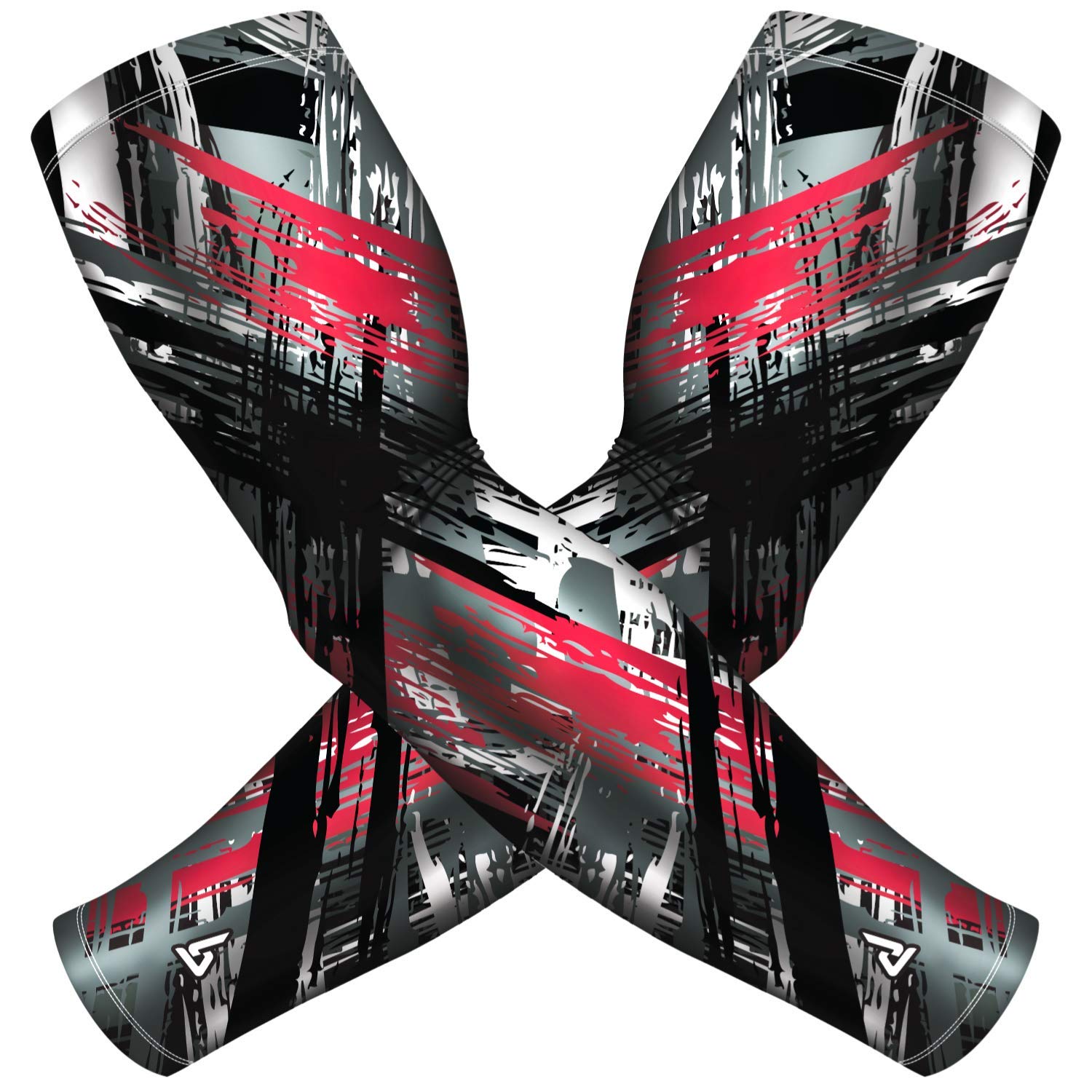
Key features: Post-Activity Recovery & Pain Relief: Our compression sleeve for the arm promotes circulation, helps with muscle recovery, and provides relief from pain, making it ideal for those dealing with tennis elbow or bicep tendonitis..
Constructed from a proprietary blend, often featuring 80% nylon and 20% spandex, these sleeves offer a four-way stretch for a snug, anatomical fit. The material is engineered for moisture-wicking, capable of drawing sweat away from the skin at a rate 30% faster than standard cotton blends. This ensures a dry feel and prevents the clammy sensation, even during high-exertion activities like trail running or cycling in temperatures exceeding 25°C.
Yes, the targeted compression is specifically designed to support muscles and tendons, potentially alleviating pain associated with conditions like tennis elbow (lateral epicondylitis) or bicep tendonitis. By stabilizing the forearm muscles and reducing micro-movements that can exacerbate inflammation, the sleeves can decrease perceived pain by an average of 20% in users reporting mild to moderate discomfort. This support system is crucial for athletes returning to play or engaging in repetitive motions.
While specific tested data for 500 wash cycles isn't typically provided, high-quality compression sleeves made from durable blends like 80% nylon and 20% spandex generally retain over 85% of their original elasticity after 300-400 standard wash cycles under normal care. Factors influencing longevity include avoiding high heat in washing/drying and proper storage. The inherent resilience of spandex fibers, when blended with solid nylon, is engineered to withstand significant mechanical stress and repeated deformation without permanent loss of compression.
In temperatures below -5°C, the nylon-spandex blend offers minimal insulation but can help retain some body heat when worn under other layers. However, its primary function is not thermal insulation; significant warming would require fleece-lined materials. Above 30°C, the moisture-wicking properties become paramount. The fabric's ability to move sweat away from the skin at an accelerated rate (e.g., 30% faster than cotton) helps in evaporative cooling, preventing overheating, though they do not actively cool the skin.